The Ultimate Guide to Rucking for Fat Loss, Strength, and Endurance Training
Mastering Rucking for Sustainable Fitness and Weight Management
What Makes Rucking a Powerful Fitness Method
Rucking has become a highly effective fitness method that combines simple walking with added resistance through a weighted backpack. This approach transforms an ordinary activity into a full-body workout that builds strength, endurance, and cardiovascular fitness simultaneously. Unlike complex workout routines, rucking is easy to start and does not require advanced skills or expensive equipment, making it accessible to a wide range of individuals.
The growing popularity of rucking is largely due to its practicality and efficiency. It allows individuals to incorporate fitness into their daily routines without major disruptions. Whether walking through a park or commuting on foot, adding weight increases intensity and improves overall performance. This makes rucking a versatile option for those seeking long-term health benefits without the pressure of traditional gym workouts.
Understanding Calorie Burn in Rucking
A common question among beginners is How many calories does rucking burn, and the answer depends on various factors such as body weight, pace, terrain, and the load carried. In general, rucking burns significantly more calories than standard walking because the added resistance forces the body to work harder. This increased effort results in higher energy expenditure, making it an efficient choice for those aiming to improve fitness.
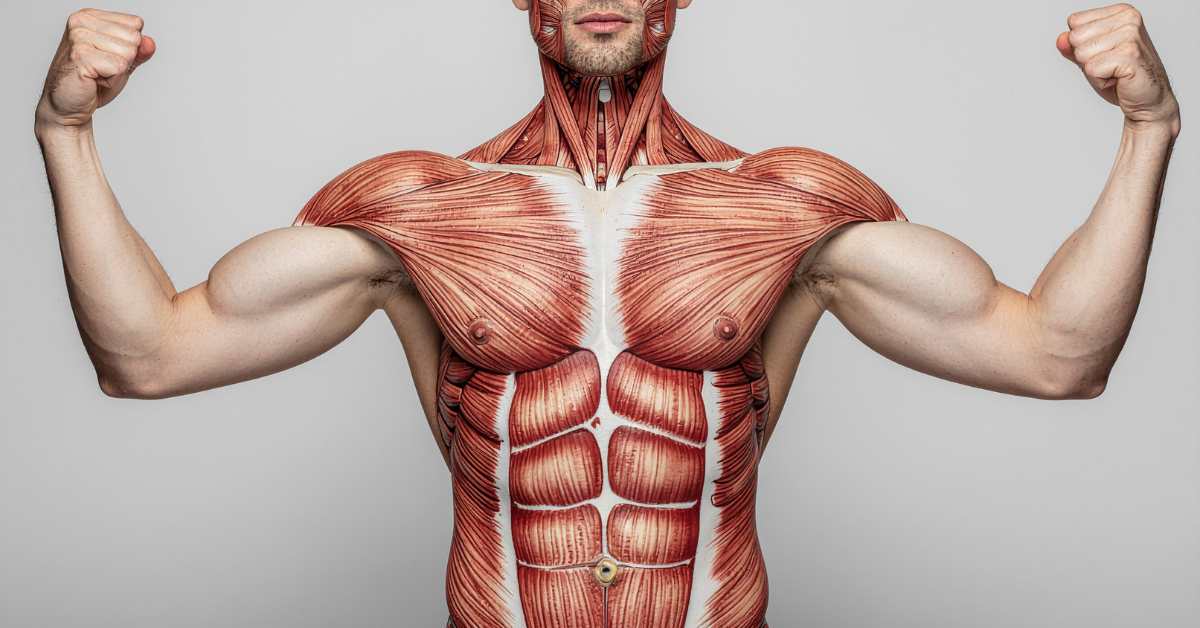
The body engages multiple muscle groups during rucking, including the legs, core, and upper body. This full-body activation contributes to both calorie burn and muscle development. Over time, consistent rucking sessions can lead to improved metabolism and enhanced endurance. This makes it a valuable addition to any fitness routine focused on long-term results.
Why Rucking Supports Sustainable Weight Loss
Rucking is particularly effective for individuals looking to lose weight in a sustainable and manageable way. Unlike high-intensity workouts that may be difficult to maintain, rucking provides a steady level of activity that can be performed regularly. This consistency is key to achieving lasting weight loss results. It allows individuals to create a calorie deficit without placing excessive strain on the body.
Many people wonder is rucking good for weight loss, and the answer lies in its ability to combine calorie burning with muscle preservation. This balance helps individuals lose fat while maintaining lean muscle mass, which is essential for a healthy metabolism. Over time, this leads to improved body composition and overall fitness.
Physical Benefits of Incorporating Rucking
Rucking offers numerous physical benefits that extend beyond weight loss. It strengthens the lower body muscles, including the quadriceps, hamstrings, and calves, while also engaging the core for stability. Carrying a weighted backpack improves posture by encouraging proper alignment of the spine and shoulders. This can help reduce back pain and enhance overall body mechanics.
Additionally, rucking improves cardiovascular health by increasing heart rate over extended periods. This strengthens the heart and lungs, leading to better endurance and stamina. The combination of strength and cardio training makes rucking a comprehensive exercise that supports overall physical development. It also prepares the body for various physical challenges, making daily activities easier to perform.
Mental Health and Outdoor Benefits of Rucking
Rucking is not only beneficial for physical health but also has a positive impact on mental well-being. Walking outdoors while carrying weight creates a rhythmic and meditative experience that helps reduce stress and anxiety. Exposure to natural environments further enhances mood and promotes relaxation, making rucking a holistic fitness activity.
The sense of accomplishment that comes from completing a rucking session can boost confidence and motivation. It provides a break from daily routines and encourages mindfulness, allowing individuals to focus on the present moment. Over time, this combination of physical and mental benefits contributes to a more balanced and fulfilling lifestyle.
Choosing the Right Equipment for Rucking
Selecting the appropriate equipment is essential for a safe and comfortable rucking experience. A durable backpack with proper padding and support helps distribute weight evenly across the body. This reduces strain on the shoulders and back, allowing individuals to focus on their workout. The weight used should be appropriate for the individual’s fitness level, starting light and gradually increasing over time.
Footwear is another important consideration, as comfortable and supportive shoes can prevent injuries and improve performance. Investing in quality gear enhances the overall experience and encourages consistency. Proper equipment ensures that individuals can enjoy the benefits of rucking without unnecessary discomfort or risk.
Creating an Effective Rucking Routine
An effective rucking routine should be tailored to individual fitness levels and goals. Beginners can start with shorter distances and lighter weights, gradually increasing intensity as they build strength and endurance. Consistency is more important than intensity, especially in the early stages. Setting realistic goals helps individuals stay motivated and committed to their routine.

A typical routine might include rucking sessions two to four times per week, combined with rest days for recovery. As fitness improves, individuals can increase distance, speed, or weight to continue progressing. This gradual approach ensures steady improvement while minimizing the risk of injury, making rucking a sustainable fitness option.
Combining Rucking with Strength and Mobility Training
Rucking can be effectively combined with other forms of exercise to create a well-rounded fitness program. Strength training helps build muscle and improve overall performance, while mobility exercises enhance flexibility and reduce the risk of injury. This combination ensures that all aspects of fitness are addressed, leading to better results.
Incorporating variety into a fitness routine keeps it engaging and prevents plateaus. For example, adding bodyweight exercises or stretching sessions can complement the benefits of rucking. This holistic approach supports long-term health and helps individuals achieve their fitness goals more efficiently.
Preventing Injuries While Rucking
Injury prevention is a key consideration when incorporating rucking into a fitness routine. Maintaining proper posture and technique is essential to avoid strain on the back and joints. Keeping the backpack weight balanced and walking at a steady pace can reduce the risk of injury. It is also important to listen to the body and avoid pushing beyond its limits.
Stretching before and after rucking sessions can improve flexibility and reduce muscle soreness. Staying hydrated and wearing appropriate gear further enhances safety. By following these precautions, individuals can enjoy the benefits of rucking while minimizing potential risks. This ensures a safe and sustainable fitness journey.
Tracking Progress and Measuring Success
Tracking progress is an important aspect of achieving fitness goals with rucking. Recording details such as distance, weight carried, and duration of sessions provides valuable insights into improvement over time. This information can be used to adjust routines and set new challenges that align with personal objectives.
Setting realistic goals and celebrating milestones can boost motivation and encourage consistency. Whether it is increasing distance or carrying heavier loads, each achievement contributes to overall progress. This approach helps individuals stay focused and committed to their fitness journey.
Nutritional Support for Rucking Performance
Proper nutrition plays a crucial role in supporting rucking performance and recovery. A balanced diet that includes carbohydrates, protein, and healthy fats provides the energy needed for physical activity. Hydration is equally important, as it helps maintain performance and prevent fatigue during workouts.
Individuals who prioritize nutrition alongside their fitness routine often experience better results. Adequate fuel allows the body to perform efficiently and recover effectively. This combination of proper diet and consistent exercise creates a strong foundation for long-term health and fitness success.
Adapting Rucking for Different Fitness Goals
Rucking is a versatile exercise that can be adapted to suit a variety of fitness goals. Individuals aiming for weight loss can increase intensity by adding more weight or choosing challenging terrain. Those focused on endurance can prioritize longer distances at a steady pace. This adaptability makes rucking suitable for people with different objectives.
Adjusting variables such as speed, load, and frequency allows individuals to customize their workouts. This flexibility ensures that rucking remains effective and engaging over time. By aligning the routine with specific goals, individuals can achieve better results and maintain motivation.
Long-Term Health Benefits of Rucking
Consistent rucking offers numerous long-term health benefits, including improved cardiovascular fitness, increased strength, and better weight management. These benefits contribute to a reduced risk of chronic diseases and enhance overall quality of life. Rucking also promotes an active lifestyle, encouraging individuals to stay physically engaged.
Over time, regular rucking can become a natural part of daily life, leading to lasting positive changes. It improves both physical and mental well-being, making it a valuable addition to any fitness routine. By committing to consistent practice, individuals can build a sustainable approach to health and fitness.
External Perspective on Physical Activity and Health
For additional insights into the benefits of regular physical activity, readers can explore the Centers for Disease Control and Prevention physical activity basics. This resource highlights the importance of consistent movement, balanced exercise routines, and maintaining an active lifestyle for overall health. It reinforces the idea that combining different forms of exercise leads to better long-term outcomes.
By aligning personal fitness routines with expert recommendations, individuals can ensure they are following safe and effective practices. This external perspective adds credibility and provides valuable guidance for those looking to improve their health through structured and consistent physical activity.