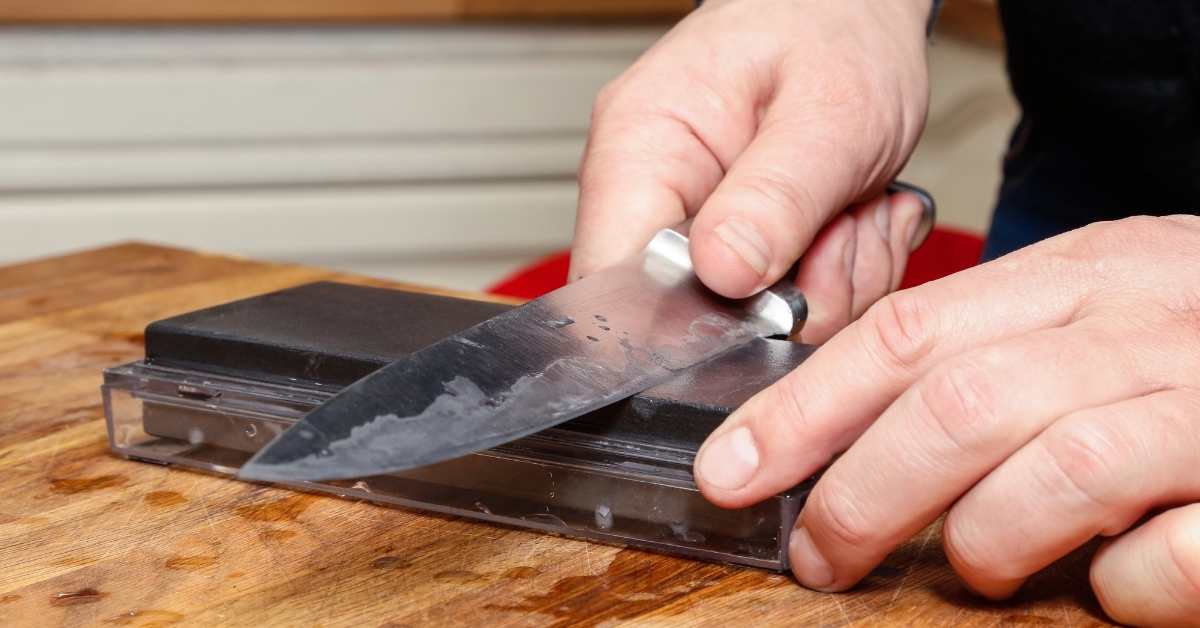
Honing Steel vs Sharpening Steel: Understanding the Difference for Perfect Knife Care
Honing Steel vs Sharpening Steel: Which One Do You Really Need?
Maintaining a sharp knife is crucial for efficiency and safety in the kitchen, but many home cooks and even professionals often confuse honing steel with sharpening steel. While both tools are essential for knife care, they serve distinct purposes and are used differently. Understanding the difference between honing steel vs sharpening steel will help you preserve your knives’ performance, prolong their lifespan, and achieve consistently precise cuts.
Using the wrong tool or technique can damage your knife or fail to maintain a proper edge. Knowing when to hone, when to sharpen, and how each tool works will ensure your knives stay razor-sharp and safe for all kitchen tasks.
What is a Honing Steel?
A honing steel, often called a honing rod, is a tool used to realign the edge of a knife. Contrary to popular belief, it does not remove significant metal from the blade; instead, it straightens microscopic bends that occur during regular use.
Key Benefits of Honing Steel
- Restores knife alignment for smoother cutting
- Prolongs the time between sharpening sessions
- Helps maintain a consistent edge without removing metal
- Reduces the risk of blade damage through improper sharpening
Honing is a quick and effective way to keep knives performing well, especially after frequent use with softer foods.
What is a Sharpening Steel?
Sharpening steel, sometimes called a sharpening rod or whetsteel, is designed to remove metal from the knife edge to create a new, sharper edge. Unlike honing steel, it actually grinds and reshapes the blade, making it necessary when the knife has become dull.
Key Benefits of Sharpening Steel
- Restores a dull knife by removing metal
- Creates a sharper and more durable edge
- Corrects worn or damaged edges
- Ideal for knives that have not been sharpened for a long time
Sharpening should be performed less frequently than honing, but it is essential for knives that have lost their cutting ability.
Materials and Construction
Both honing and sharpening steels come in a variety of materials, which affects their performance and durability.
Honing Steel Materials
- Stainless Steel Rods – Most common; durable and resistant to rust
- Ceramic Rods – Gently realigns edges while lightly polishing
- Diamond-Coated Rods – Can sharpen slightly while honing due to abrasive surface
Sharpening Steel Materials
- Diamond-Coated Rods – Aggressively removes metal for a sharp edge
- Whetstone Rods – Combines honing and sharpening with coarse and fine surfaces
Choosing the right material depends on the knife type, steel hardness, and your maintenance routine.
Honing Steel vs Sharpening Steel: Key Differences
| Feature | Honing Steel | Sharpening Steel |
|---|---|---|
| Purpose | Realigns blade edge | Removes metal to sharpen edge |
| Effect on Blade | Does not remove significant material | Cuts and reshapes blade |
| Frequency of Use | Regularly, even daily | Less frequent, as needed |
| Best For | Maintaining sharpness | Restoring dull knives |
| Technique | Gentle strokes at correct angle | Controlled grinding with more pressure |
How to Use Honing Steel Correctly
- Hold the honing steel vertically with the tip resting on a stable surface.
- Maintain a 15–20° angle between the blade and steel.
- Sweep the blade down the rod from heel to tip in a smooth motion.
- Repeat on the opposite side for equal alignment.
- Alternate sides 5–10 times for best results.
Honing should be performed frequently to keep the edge straight and reduce the need for full sharpening.
How to Use Sharpening Steel Correctly
- Secure the sharpening rod firmly on a countertop or with a hand guard.
- Hold the knife at the manufacturer-recommended angle (often 20°).
- Apply light to moderate pressure while running the blade along the rod.
- Start with coarse steel if the knife is very dull, then finish with fine steel.
- Repeat on both sides evenly until the desired sharpness is achieved.
Sharpening requires care and patience; improper technique can damage the blade or unevenly wear the edge.
When to Hone and When to Sharpen
Honing
- After every use for home knives
- When the knife feels slightly off but not dull
- To maintain edge alignment during regular cooking
Sharpening
- When honing no longer restores the edge
- If the knife struggles to cut through food cleanly
- After several months of regular use, depending on steel hardness
Properly alternating between honing and sharpening ensures maximum knife performance and longevity.
Safety Tips for Using Honing and Sharpening Steels
- Always hold the rod securely and on a stable surface.
- Keep fingers and hands away from the moving blade.
- Maintain the correct angle to prevent slips and uneven edges.
- Use controlled pressure; excessive force can damage the knife.
- Clean the steel after use to remove metal shavings or residue.
Following safety guidelines prevents accidents and ensures consistent results.
Advantages of Regular Maintenance
Regularly using honing and sharpening steels offers several benefits:
- Improved cutting efficiency and speed
- Reduced risk of accidents due to dull knives
- Prolonged knife life by preventing excessive wear
- Enhanced precision for delicate slicing, dicing, and chopping
Maintaining knives with the right tool is essential for both home cooks and professionals.
Choosing the Right Tool for Your Kitchen
When deciding between honing steel vs sharpening steel, consider your knife collection, cooking habits, and skill level.
- Beginners: A combination rod or ceramic honing steel is user-friendly and maintains edges without risk.
- Frequent Cooks: Invest in both honing and sharpening steels to keep knives consistently sharp.
- Professional Chefs: Diamond-coated sharpening rods provide speed and precision for high-volume use.
For more guidance on high-quality options and comparisons, you can explore this guide on honing steel vs sharpening steel to find tools suitable for your kitchen setup.
Final Thoughts on Knife Care
Understanding the difference between honing steel and sharpening steel is crucial for maintaining sharp, efficient, and safe knives. While honing keeps your knives aligned and ready for daily use, sharpening restores dull edges and ensures long-term performance. Using these tools correctly, along with proper knife storage and handling, allows you to enjoy consistently precise cuts and a safer cooking experience.
Regular maintenance with the right steels not only improves your culinary performance but also extends the life of your knives, making it a worthwhile investment for every kitchen.